Solar guide
How Do Solar Panels Work? A Complete Guide
Solar panels turn sunlight into electricity you can use right away, store in batteries or send to the grid. This guide explains each part of a solar power system and how to size one for your property.
- Solar basics
- System sizing
- Batteries
- Homes and businesses
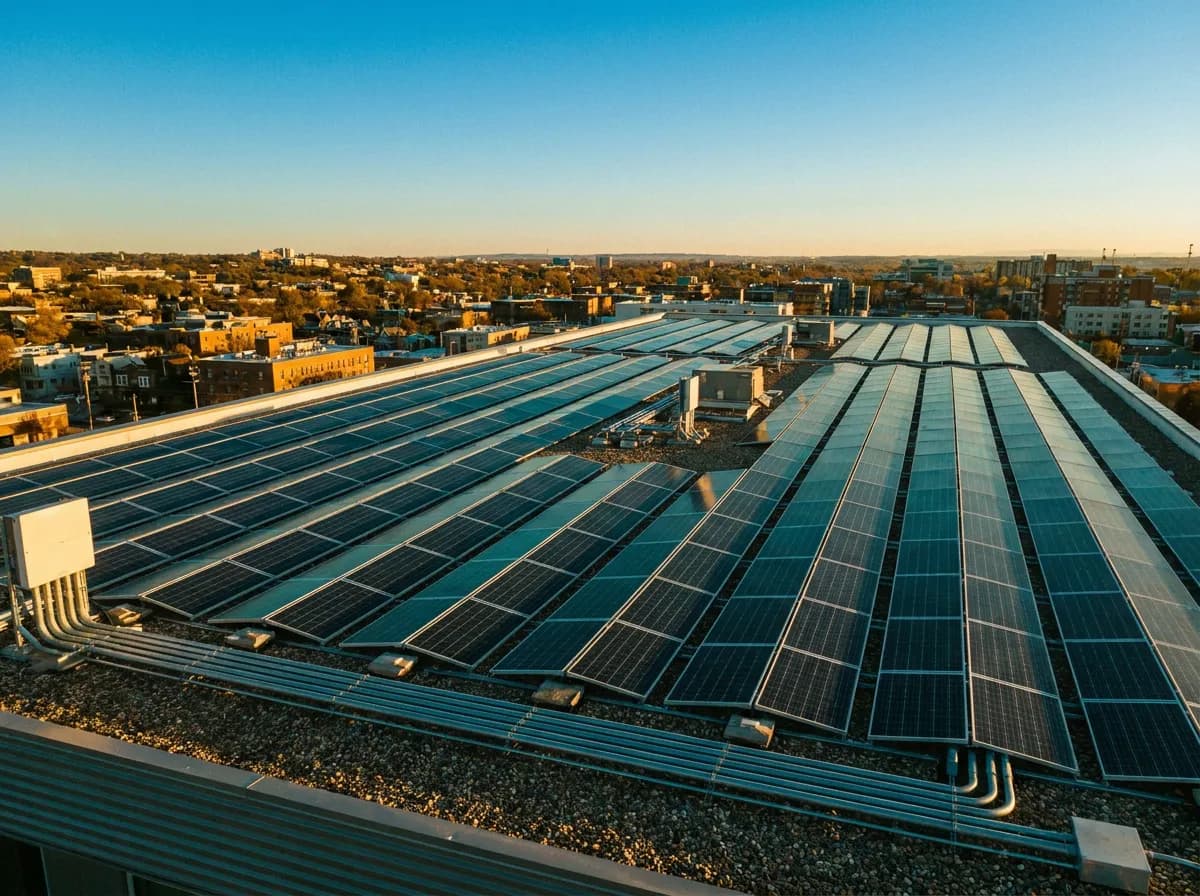
From sunlight to electricity
Solar panels are made of photovoltaic cells. When sunlight hits a cell, it knocks electrons loose and creates direct current (DC). An inverter then converts that DC power into the alternating current (AC) that appliances use.
Panels
Collect sunlight and produce DC electricity. Output depends on panel wattage, sun hours, shade and orientation.
Inverter
Converts DC to AC. Grid-tied, hybrid and off-grid inverters differ in what they can do during an outage.
Mounting and wiring
Racking holds panels in place and protected wiring links them to your electrical panel.
Batteries (optional)
Store surplus daytime energy for evenings and outages.
Monitoring
Shows production and consumption so you can confirm the system performs as designed.
How to size a solar power system
Sizing starts with how much electricity you use, not with how many panels fit on the roof. A good design works through these questions:
Your consumption
Review 12 months of electricity bills to see daily and seasonal use in kWh.
Local sun hours
Peak sun hours vary by region and season and set how much each panel produces.
Available space
Roof or ground area, tilt, orientation and shade limit how many panels you can install.
Your goal
Cutting the bill, backing up critical loads and going fully off-grid each need different equipment.
Solar batteries explained
A battery stores energy in kilowatt-hours (kWh). Capacity decides how long it can run your loads, and the inverter and battery power rating decide how much it can run at once. Lithium iron phosphate (LiFePO4) batteries are popular for long cycle life and safety. Costs depend on capacity, brand and installation, so get a quote based on your actual loads.
Residential and commercial solar
Homes usually prioritize bill savings and backup power. Businesses often add demand management, larger arrays and solar canopies. Read our comparison of residential and commercial solar to see how the two differ.
Frequently asked questions
Yes, but at reduced output. Panels still produce electricity from diffused light, and batteries or the grid cover the gap.
Panels stop producing. A grid-tied system draws from the grid, and a battery system draws from stored energy.
Quality panels typically last 25 years or more, with gradual output decline over time.
This guide is for everyone, but our installations are in Costa Rica. See our Costa Rica installation page for details.
No cost. No obligation.
Planning a solar system in Costa Rica?
We install in Costa Rica. Send us your electricity bills and we will prepare a custom proposal.